ADVERTISEMENT









Saturday, October 17, 2026

407cooingrora
Does an EV battery need to be replaced entirely, or can it be fixed?
The car will provide you with plenty of low-battery alerts, and it will continue to operate reliably even when the battery is low. Keeping the battery between 20% and 80% for daily driving is a simple habit that pays dividends, but it's not a strict rule you must obsess over. An EV battery usually deteriorates gradually, in contrast to a combustion engine that may seize. Over time, your range will gradually decrease, but you won't unexpectedly become stranded.
By then, the car has probably paid for itself in terms of fuel and maintenance savings, which can amount to several hundred dollars annually when compared to gasoline-powered vehicles. Over the past ten years, autopowercare.com battery prices have decreased in tandem with the decline in flat-screen TV prices. The car will give you ample low-battery alerts, and even at low states of charge, it will still function predictably. The eventual replacement cost may seem daunting to those who buy and hold, but it is rapidly declining.
While extremely cold temperatures may momentarily reduce available range, frequent exposure to extremely high temperatures can put the cells under additional stress. Habits related to charging also matter. Embrace the simplicity, trust the engineers, and stop overthinking. An EV battery's aging rate can be influenced by a number of variables. The car still feels completely dependable, which is a recurring theme. Drivers with 150,000 or even 250,000 miles on the original battery can share their range reports in a plethora of online forums.
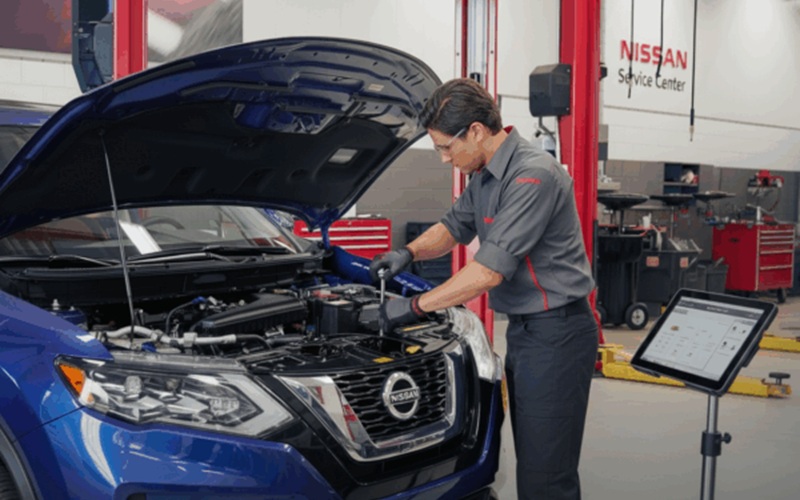 No timing belt, no oil sludge, and no valve adjustment. Just a battery that operates silently and a smooth, quiet motor. A living example of this durability is the EV owner community. Not every small town has a battery specialist yet. You can now buy a cheaper, older EV, and if the battery is tired, you don't have to scrap it. The repair ecosystem is still developing, so keep that in mind. One of the most intriguing trends in the EV industry is the move toward repairability.
However, the trend cannot be denied. battery has a limited lifespan. The battery management system might be miscalculating state of charge due to a faulty sensor, or a firmware update could have introduced a bug. To put it succinctly, It's a beautiful cycle. The future is both promising and fixable. Third-party networks are growing, and major automakers are now training dealer technicians on in-pack repairs. It implies less waste, cheaper ownership costs, and a more robust future for electric vehicles.
A surprising amount of battery issues are actually logic errors. Even though contemporary EVs are made to be forgiving, daily charging practices are important.

ADVERTISEMENT







The Feed that gets it